


Why AEO Matters Now
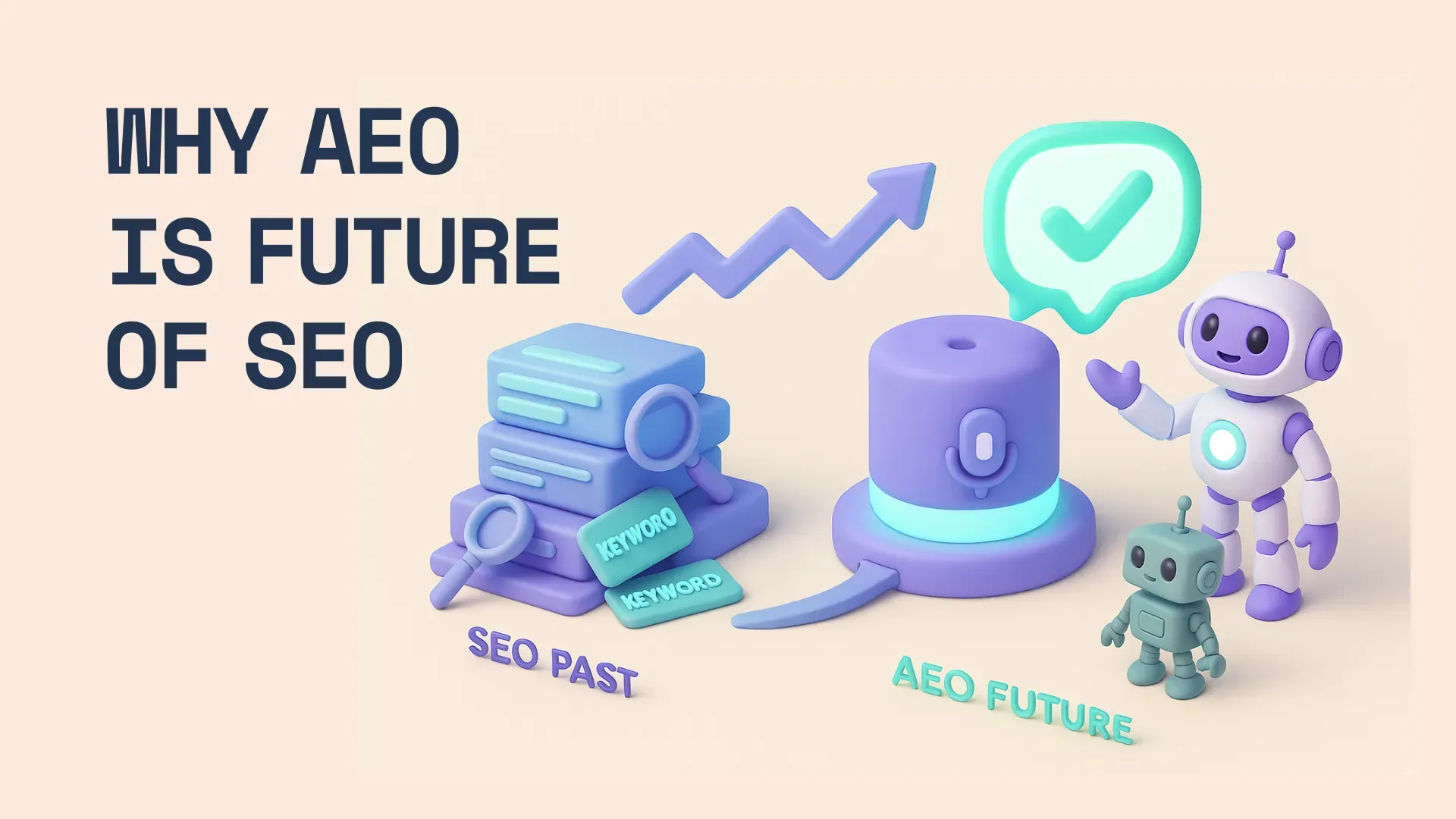
The digital landscape is undergoing a significant transformation from a conventional “search” economy to a rapidly developing “answer” economy. For numerous years, brands competed to secure top positions in search engine results to enhance website traffic. Presently, generative artificial intelligence platforms such as Google’s Gemini, ChatGPT, and Perplexity provide direct, synthesised responses, often obviating the need for users to navigate through websites. This paradigm shift has redefined digital visibility and rendered Answer Engine Optimisation (AEO) a strategic imperative for maintaining relevance and authority. By 2025, it is anticipated that AEO will account for over 65% of searches, which will culminate in zero-click outcomes, signifying evolving user expectations and behaviours. As AI-driven discovery accelerates and is projected to surpass traditional search methods by 2028, organisations that neglect to optimise content for AI-generated responses risk forfeiting visibility, credibility, and a competitive edge within an increasingly AI-centric digital ecosystem.
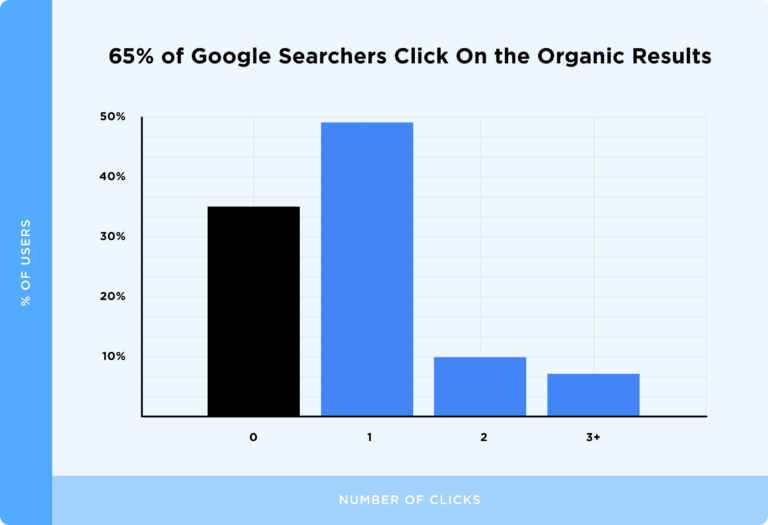
Source: backlinko.com
What is Answer Engine Optimization (AEO)
Answer Engine Optimization represents the next frontier in digital content strategy, designed specifically for the era of generative artificial intelligence. It transcends traditional SEO by focusing on enabling Large Language Models (LLMs) to not just find, but actively understand, extract, and cite your content as an authoritative source. It’s not about getting people to click on blue links, it’s about earning those citations and becoming the go-to “source of truth” in the AI world.
The core components of AEO are built upon a deep understanding of how AI models process information:
Credibility in Context
AI systems prioritize verified signals over mere keyword relevance. Content must carry inherent trust and authority.
Extraction over Inference
Unlike people, AI models don’t make assumptions. AEO needs content to be clearly organized so machines can easily find, verify, and reference answers.
Entity-Driven Discovery
AI organizes the digital world by focusing on entities such as people, brands, and concepts. AEO strengthens these connections using precise terminology and strategic internal linking, improving clarity and machine understanding.
AEO vs. SEO: A Fundamental Comparison
While often seen in opposition, Answer Engine Optimization and traditional Search Engine Optimization (SEO) are, in fact, different subject areas, each covering different parts of the user experience. SEO builds the foundational eligibility and drives initial traffic, whereas AEO dictates the ultimate selection and establishes brand authority directly within the AI interface. The divergence in their primary goals and methodologies is critical to understand:
| FEATURE | TRADITIONAL SEO | ANSWER ENGINE OPTIMIZATION (AEO) |
|---|---|---|
| Primary Goal | Rank in search results to drive clicks. | Appear as a direct answer or cited source. |
| Focus | Keyword optimization and backlinks. | Conversational clarity and structured data. |
| Content Structure | Long-form, comprehensive articles. | Concise, “chunkable” answer blocks. |
| User Journey | Click-through to a website. | Zero-click satisfaction. |
| Success Metrics | Organic traffic, CTR, keyword rankings. | Citations, AI summary mentions, Share of Voice. |
| Technology | Web crawlers and indexing algorithms. | Large Language Models (LLMs) and NLP. |
Pillars of AI Selection: E-E-A-T and Provenance
AI systems employ a sophisticated filtering process to determine which sources are sufficiently reliable to synthesize into a coherent answer. This rigorous process relies heavily on the E-E-A-T framework: Experience, Expertise, Authoritativeness, and Trustworthiness. These factors are not merely guidelines; they are critical signals that dictate content selection in AI-driven environments:
Experience:
Demonstrates first-hand practitioner insights, real-world applications, and compelling visual evidence.
Expertise:
Emphasizes content authored by credentialed experts, supported by structured bios and verifiable authorship.
Authoritativeness:
Built through industry recognition, high-quality citations from reputable sources, and a strong brand presence.
Trustworthiness:
Established via fresh data, transparent sourcing, rigorous fact-checking, and robust site security.
Moreover, AI tools are getting better at checking where info comes from. They look at where the content’s from, how recent it is, and how trustworthy it seems. Things with clear references, up-to-date info, and openly shown sources are way more likely to be picked up and used by AI.
Platform-Specific Mastery: Tailoring Content for Major AI Engines
Different AI answer engines possess unique priorities and algorithms, demanding a nuanced, multifaceted optimization strategy. Each platform requires specific tactics to maximize visibility and citation likelihood:
Google Gemini / AI Overviews:
Prioritizes E-E-A-T signals and multimodal content. Clean HTML and minimal JavaScript are crucial, as AI crawlers may struggle with complex rendering.
OpenAI ChatGPT / SearchGPT:
Heavily influenced by Bing’s index and brand mentions across high-authority sites. Focus on natural language clarity and earned media citations.
Perplexity AI:
Favored by research-oriented users, emphasizing direct source citations from authoritative, high-domain websites. Content must be factually dense and meticulously referenced to be selected as a primary source.
Understanding these distinct preferences allows for targeted optimization, significantly increasing the probability of your content being chosen as the definitive answer.
New Metrics for the AI Era
Traditional SEO KPIs, such as “sessions” or “click-through rates,” are becoming increasingly insufficient for Answer Engine Optimization, given that success often occurs when a user obtains an answer without ever visiting a website. While the key SEO stats still matter a lot when it comes to checking out visibility and how you’re doing, as we’ve gone into more in our guide on 10 SEO KPIs to Track Performance and Drive Results the AI era calls for a more flexible way of measuring things, one that also considers when brands show up without anyone clicking and the way AI boosts brand visibility.
New key performance indicators (KPIs) are essential for accurately monitoring and measuring AEO success:
AI Citation Signal: Tracking and checking how often your brand is mentioned or referenced on major AI platforms like ChatGPT, Perplexity, and Gemini.
Share of Voice (SOV): Quantifying the percentage of AI-generated answers in your niche that cite your brand versus those of competitors.
Featured Snippet Ownership: Recognizing that “position-zero” spots often feed directly into LLM-generated answers.
Brand Impressions in Zero-Click Environments: Evaluating the visibility and exposure of your brand within AI-driven interactions.
AI Referral Traffic: Monitoring sessions and conversions directly attributable to AI platforms.
These metrics provide a more accurate reflection of omnipresence and authority in a world where direct engagement with AI models is paramount.
Losing Visibility in a Zero-Click World
Basically, getting on board with AEO is a must for staying protected. Ignoring AEO leads inevitably to a compounding loss of digital visibility and market share. Gartner predicts a significant 25% decline in traditional organic search traffic, as AI-generated answers increasingly satisfy user queries without requiring clicks to external websites. Concurrently, AI referrals to top websites are projected to surge by 357% year-over-year, illustrating the growing chasm between those who adapt and those who do not.
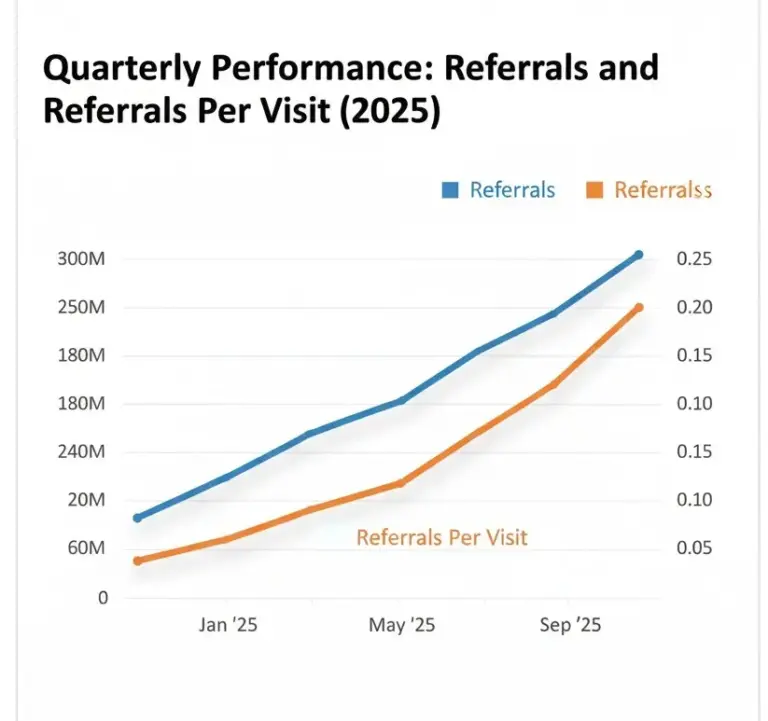
Brands that fail to transition to an answer-first strategy will discover their authority eroded, as competitors, by becoming the “default” sources for AI engines, establish an insurmountable lead. The digital landscape is unforgiving of stasis relevance in the AI era demands proactive adaptation.
Conclusion
Answer Engine Optimisation isn’t just a trial phase for SEO anymore, it has become a must-have strategy in today’s AI-powered digital environment. As the landscape shifts from search to answers, visibility is increasingly determined not only by rankings, but by whether AI systems select, synthesize, and cite your content.
So, with more zero-click results happening and AI search expected to overtake regular search, brands need to go back to the drawing board on how they show authority, trustworthiness, and organise their content. In this new scene, E-E-A-T signals, proper structure, and platform-specific plans aren’t just nice-to-haves anymore they’re basic must-haves.
Moreover, measurement must evolve beyond conventional traffic metrics. For example, Now, organisations need to keep an eye on AI citations, how much they’re being talked about, and how visible their brand is without clicks. Ultimately, organizations that proactively adapt will secure authoritative positioning within AI interfaces, while those that delay risk progressive invisibility.
In the emerging answer economy, sustainable digital relevance belongs to brands that optimize not just to be found, but to be chosen.