


If you’re moving the needle towards the goals. Let’s explore in this article the different perspectives about the SEO key performance indicators known as KPIs, what they are, why they matter, and most specifically which ones are truly the most important for you to article.
What is an SEO KPIs?
It is a vital metric that shows how well your SEO efforts are helping you to grow your business. If the marketing strategies need some adjustment. KPIs are essential for tracking, measuring, and evaluating the effectiveness of SEO.
Why do KPIs matter?
SEO Key Performance Indicators (KPIs) are necessary for proving that efforts are paying off and guiding the future strategy.
There are vital reasons why KPIs tracking is essential:
Demonstrating the Business Impact: You can clearly demonstrate sequential monthly performance to the stakeholders, showing the real impact of the SEO work.
Informing Strategy and growth: KPIs are important to ensure that your efforts are working and where to focus on for future website optimization.
Data-driven decision: The data from KPIs allows quick decision-making to adjust when somethingisn’t quite hitting the mark.
Budget allocation: Furthermoreit helps in expenditure plans, ensuring investment in the right strategies to deliver the best result.
Long-term game plan: Regularmonitoring of KPIs ensures staying right on the track towards achieving the goals. They can even help uncover seasonal trends in your industry.
Giving foresight to tweak the SEO approach can ensure the growth of the website in the digital frontier.
Crucial SEO KPIs to track
Now that we know how important KPIs to consider for SEO. Here are the highlighted key metrics that are very important to consistently maintain website optimization to achieve your business goals.
Search Visibility
It’s an indicator that reveals how easily and frequently your website’s content is found by users when they are searching online.
This metric is closely linked to business growth. Greater visibility means reaching the right audience and increasing sales potential.
Organic Traffic
This refers to the free traffic that your website gains from the search engine. When users search for terms related to your content and discover your site through organic search, rather than clicking on a paid ad.
This is the fundamental indicator of SEO success. It shows how visible you are in the search results and how many people are actually visiting your website. And it’s a great way to gauge reaching an ideal audience.
Keyword Ranking
This shows where your website is listed on the search results for a phrase or specific search term.
A higher ranking for targeted keywords means more clicks, boosting organic traffic and potential sales. Tracking these rankings helps to spot any dips in performing web pages, and can also discover new keyword opportunities that might have been missed.
Backlinks
They are like ballots and affirmations from other websites. When other sites link to your site, it’s a backlink.
Backlinks are one of the most important aspects of SEO ranking factors. They signal the search engine that the content on your website is valuable.
Note: A high-quality backlink from a reputable website is far more impactful than that of many low-quality ones.
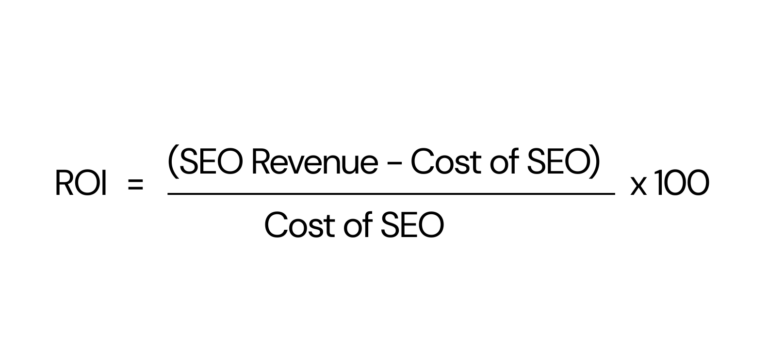
Return on Investment (ROI)
Think you it like an ultimate scorecard for your SEO activities. It tells whether your time and efforts really pay off by actually creating the content, maintaining the website, and buying the backlinks. In simple terms, it shows how profitable you are on investment in SEO.
A positive ROI reflects generating more revenue than cost, which is the goal of any smart marketing strategy.
How to measure
Organic Click-Through Rate (CTR)
It is the percentage of people who see your listed website on search results and click on it. It is to measure how appealing your website title and description are on the search engine results page.
While it doesn’t directly improve the ranking, Google does pay attention to how users are interacting in the search results, and a high CTR can indirectly signal that your content is valuable.
Core Web Vitals
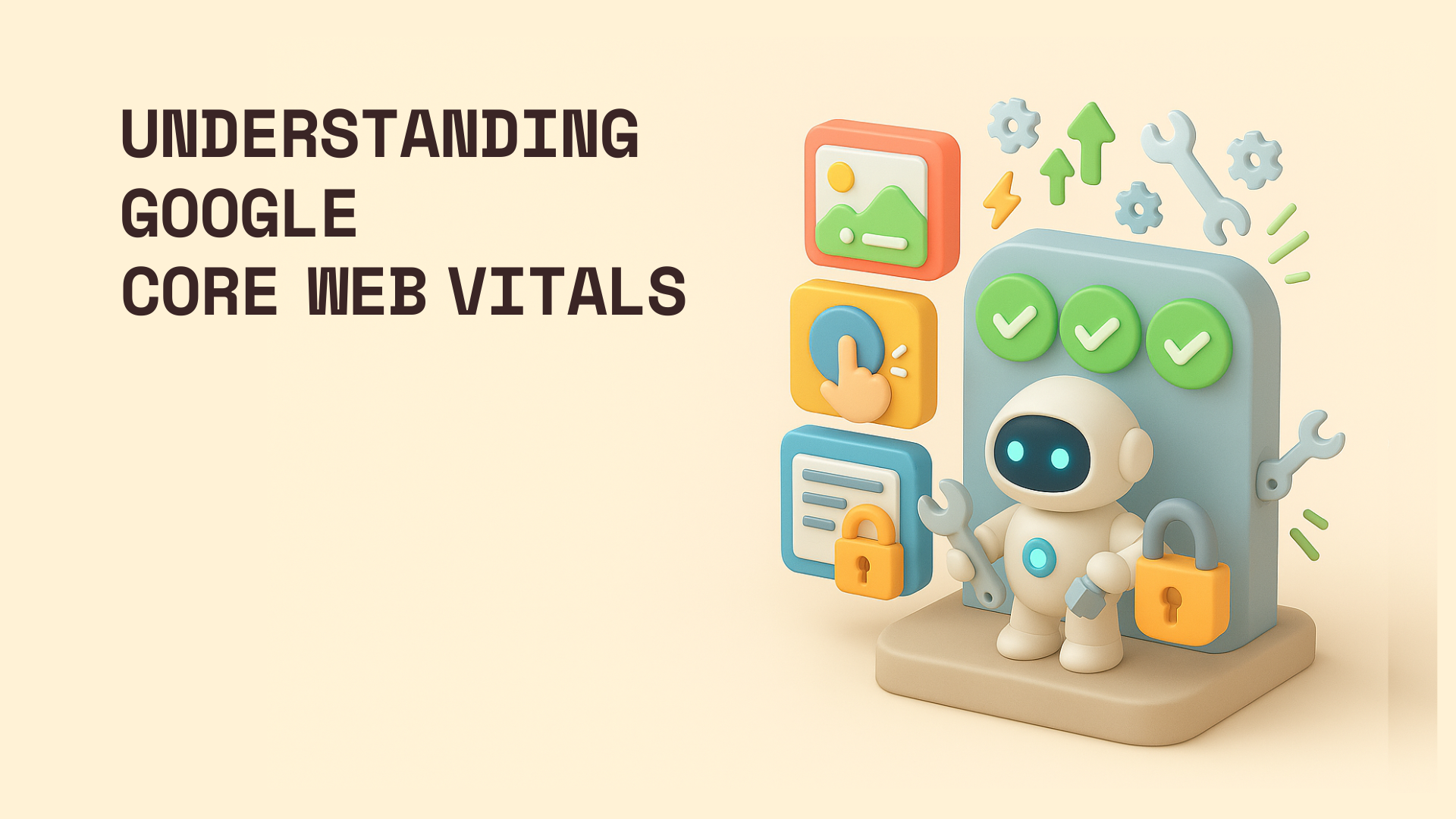
The Google core web vitals are the technical metrics that are used to measure how fast your website loads, how stable it is while loading, and how quickly it responds to user interaction.
The 3 major specific metrics are:
Largest Contentful Paint (LCP)
Cumulative Layout Shift (CLS)
Interaction to Next Paint (INP)
Addressing the core web vitals issues can significantly enhance user satisfaction, focusing primarily on the benefits of the user’s perspective can indirectly lead to better SEO outcomes.
Domain Authority (DA)
Well, not really for direct business growth. But they help gauge the strength of the website.
User Engagement metric
This metric indicates how actively the users are interacting with your website. Things like how many people are leaving the website after viewing just one page, average view sessions, number of page views, and return visits.
They’re incredibly important in how we perceive your site. Higher engagement often means your content is useful, encouraging the user to stick around and take the desired action.
On-Page SEO Metrics
This is all about how well your content is optimized right from the web pages. This includes checking the length of the meta titles and descriptions, how the header tags are used, the presence of primary and semantically related keywords, and whether the site is implemented with structured data markup.
These elements directly impact the ranking and user experience of the webpage, making Google and other search engine easily understand and rank the content effectively.
Tools for Tracking SEO KPIs
There are some great tools out there to help out with the website’s SEO key performance indicators. Here’s a quick rundown.
Ahrefs: These tools offer features like Rank Tracker to monitor keyword positions, Site audit, and Domain Rating (DR) that are valuable to evaluate the website technically.
Semrush: It is another comprehensive tool providing insight into search visibility, organic traffic, keyword ranking, and detailed backlink profiles.
Google Analytics: This tool is crucial for understanding how users behave once they land on the website, tracking the overall site traffic, and monitoring the conversions.
Conclusion
Implementing SEO Key Performance Indicators (KPIs) isn’t just essential it’s a smart marketing tactic. It’s all about combining critical thinking a solid grasp of data and tracking platforms. Ultimately, the aim is to clearly show how website SEO works directly and contributes to real business growth.