



The AI Frontier
The digital commerce landscape is undergoing a profound transformation, this shift is driven by the rapid advancement of artificial intelligence. Traditional search engine optimization (SEO) once dominated this space. Now, it is evolving into a sophisticated ecosystem shaping product discovery and purchasing decisions. For brands aiming to thrive in this new era, optimizing product pages extends far beyond keyword rankings and demands a comprehensive strategy focused on AI visibility.
This evolution is not merely a shift in technology but a fundamental rethinking of how products are evaluated. Consumers are increasingly turning to AI-powered interfaces, bypassing conventional search results in favor of direct, synthesized recommendations. To secure a position in high-intent AI-driven journeys, product pages must be carefully crafted. They should speak to users, crawlers, and intelligent algorithms alike. This article explores the critical strategies, from structured data implementation to content structuring and technical excellence, that will enable your product pages to excel in the AI-driven future of commerce.
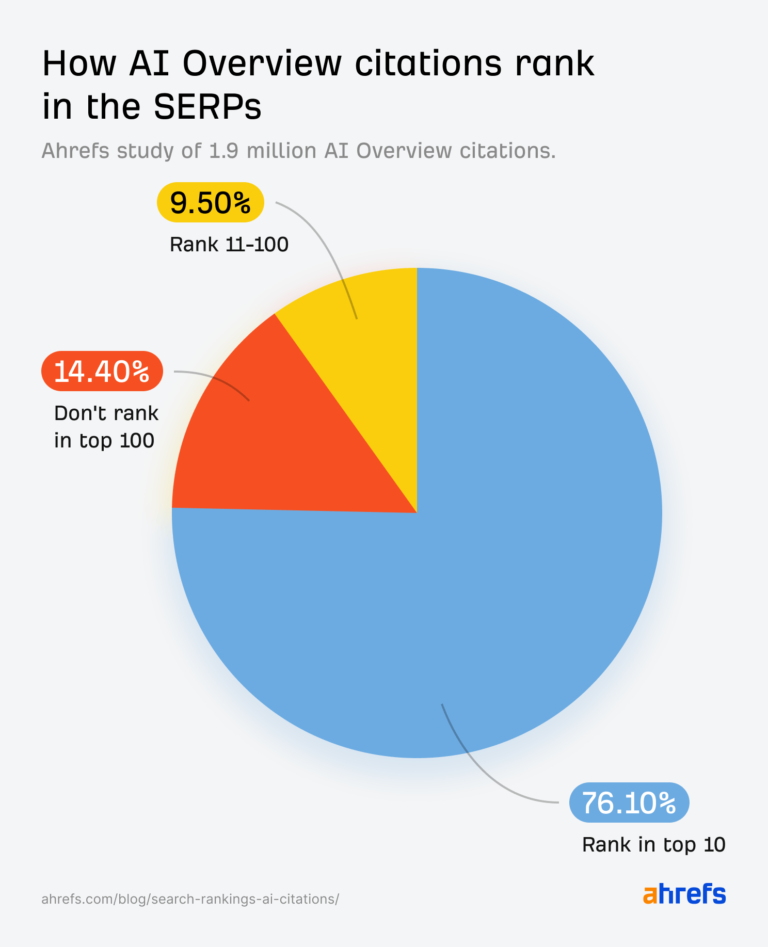
Source: ahrefs.com
The Paradigm Shift: From Search Engines to AI Engines
For years, digital marketing revolved around SEO, with its emphasis on keywords, backlinks, and page authority to dominate search engine results. However, the emergence of Generative Engine Optimization (GEO) and Answer Engine Optimization (AEO) signals a definitive paradigm shift. The goal is to be selected as a trusted, authoritative answer by AI systems themselves.
GEO focuses on structuring content so that advanced AI models like ChatGPT, Gemini, and Perplexity can effortlessly extract and synthesize product information in response to natural language queries. AEO ensures product pages are directly cited or recommended by AI-driven assistants and search features. AI visibility now depends on a page’s clarity with structural data, and consensus signals across the web, including external sources and the depth of user-generated feedback.
Real-Time Data: Fueling Agent with Feeds and APIs
In the high-stakes world of AI-driven shopping, real-time data is non-negotiable. AI shopping assistants and agentic commerce platforms demand the most current product information especially pricing and availability to deliver accurate recommendations and seamlessly facilitate transactions.
Platforms such as Google Merchant Center and Amazon depend on structured product feeds to populate their dynamic shopping experiences. These feeds must encompass all attributes from ID and title to image, price, and branding on your website. Best practices require daily feed updates with scrupulous matching of feed data to on-page content. APIs like Shopify’s Catalog API and emerging standards, such as the Agentic Commerce Protocol, enable real-time price adjustments and stock synchronization. This powers agentic commerce, where AI agents autonomously research and complete purchases, requiring robust authentication and fraud detection. Retailers failing these requirements risk exclusion from AI-mediated shopping journeys.
The Voice of Trust: Harnessing Ratings, Reviews, and E-E-A-T
AI models place significant weight on ratings and reviews when determining which products to recommend. These consensus signals mention the features and use cases that build AI confidence in a product’s suitability for specific queries. Displaying authentic, user-generated reviews on product pages and marking them up with Review and AggregateRating schema.org properties is a strategic imperative. Encouraging detailed feedback, including specific use cases and feature mentions, further enriches the data available for AI extraction.
Beyond reviews, the E-E-A-T framework (Experience, Expertise, Authoritativeness, and Trustworthiness) serves as a critical signal for AI systems evaluating product pages. Brands must build E-E-A-T by defining their organizational entity with structured data, showcasing third-party certifications, publishing expert-authored content, and ensuring consistent information across all digital touchpoints. This strengthens web authority and external corroboration by increasing the probability of AI citation and recommendation.
Multimodal Richness: Optimizing Visuals and Video for AI Comprehension
AI systems are increasingly sophisticated, capable of processing multimodal data that includes text, images, and video to form a comprehensive understanding of products. Therefore, optimizing content for both human accessibility and machine interpretation is paramount.
High-quality images (JPEG, WebP, PNG) are essential, each meticulously tagged with descriptive, keyword-rich alt text that provides context and purpose. Utilizing multiple images showcases the lifestyle effectively in different angles and real-world use cases, while embedding product demonstration or unboxing videos further enriches the page experience.
Crucially, these videos must be accompanied by transcripts or captions for accessibility and improved AI comprehension.
The Marking up videos with the VideoObject schema (illustrative link) allows AI to index rich details like title, description, thumbnail, and duration. This multimodal approach ensures that product pages provide a holistic and accessible experience, enhancing eligibility for image and video search results, and ultimately, AI-driven product recommendations.
Technical Foundations: Ensuring Speed and Discoverability
Even with meticulously structured data and compelling content the technical excellence remains a cornerstone of AI visibility. AI systems and search engines inherently deprioritize poorly performing pages. Core Web Vitals such as Largest Contentful Paint (LCP), Interaction to Next Paint (INP), and Cumulative Layout Shift (CLS) continue to be critical metrics for both human users and AI bots.
To truly understand how these performance indicators impact your overall visibility and business outcomes, it’s essential to track and interpret them effectively, as explored in detail in this guide on 10 SEO KPIs to Track Performance and Drive Results.
Optimizing hero images and utilizing content delivery networks (CDNs) are essential steps for improving page speed. A mobile-first design and responsive layouts are fundamental requirements. Beyond speed, robust internal linking, breadcrumb navigation, and consistent use of entity context help AI systems map product pages within broader knowledge.
Proper canonicalization and managing product variants with rel=canonical tags are vital to prevent duplicate content issues and ensure accurate AI indexing. These technical optimizations provide the robust infrastructure upon which AI visibility can flourish.

Regulatory frameworks have also matured. In India, the Digital Personal Data Protection (DPDP) rules are now fully operational, mandating verifiable consent and itemized notices. In the In the European Union, NIS2 and DORA have introduced personal liability for board members. Cyber risk oversight is now a fiduciary responsibility. Meanwhile, the United States is following suit. New York’s Child Data Protection Act now mandates a security-by-design approach for vulnerable populations.
Conclusion
The way we shop online is already changing. If product pages don’t keep up, they may disappear from AI-assisted shopping experiences.
By adding clear information and encouraging honest reviews, every step helps AI systems recommend your products with confidence.
High-quality information is now essential for AI visibility and performance. As answer-driven tools become the primary way people discover products, brands must adapt quickly.
Those who invest in these capabilities today will gain a strong competitive advantage tomorrow.
The future of shopping belongs to brands that connect seamlessly with both customers and intelligent systems and that journey starts now.