


In the high-stakes world of entrepreneurship, a brilliant idea is merely the price of entry. The true determinant of success or failure often lies in a domain that many founders tragically overlook marketing. The statistics are sobering a staggering 22% of startups fail because of marketing problems, while another 35% collapse due to a lack of market demand, a challenge that robust marketing could have identified and addressed. In today’s hyper-connected, post-pandemic landscape, a powerful, data-driven digital marketing strategy is not just an advantage. It is the foundational pillar upon which survival and growth are built.
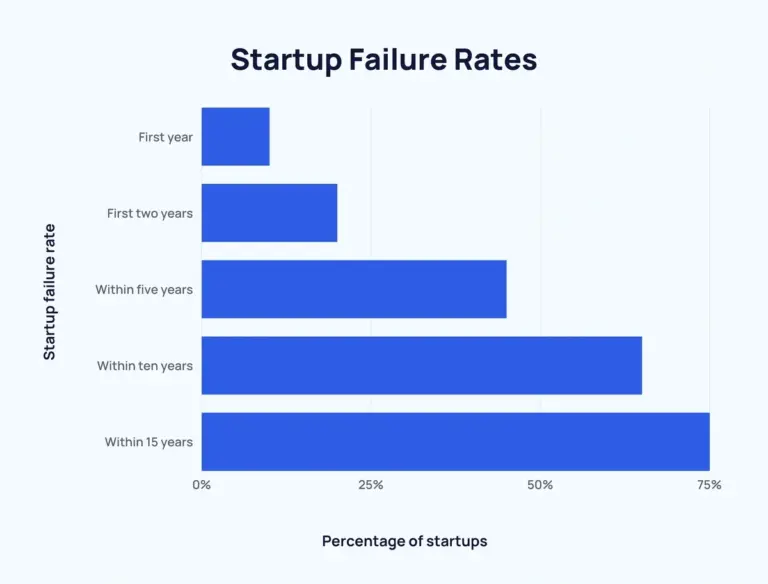
[Source: explodingtopics.com]
This guide moves beyond generic advice to provide a comprehensive blueprint of digital marketing for startups. We will dissect the foundational elements, explore a powerful arsenal of digital tactics, and present a step-by-step framework for execution. This is your definitive manual for navigating the marketing gauntlet and positioning your startup for enduring success.
The Unassailable Importance of Marketing for Startups
For a startup, marketing is not a peripheral function or a discretionary expense; it is the engine of the entire enterprise. It provides direction, builds identity, acquires customers, and ultimately secures the venture’s place in the market. In an era where digital channels are paramount, their significance has only intensified.
The COVID-19 pandemic served as a crucible, proving that a strong digital presence was essential for businesses to survive and establish themselves. Beyond mere survival, a well-defined strategy provides a clear sense of direction, reducing errors and distractions. It is the mechanism for establishing a strong brand identity to differentiate itself from competitors, a critical first step in customer acquisition. Furthermore, a solid marketing plan with demonstrated traction is a powerful signal to potential investors, often tipping the scales in favor of funding.
Laying the Foundation: The Bedrock of Your Marketing Strategy
Before launching a single campaign, a startup must construct a solid strategic foundation. Rushing into tactics without this groundwork is like building a house on sand. These foundational elements are non-negotiable for long-term success.
1. Develop Your Business Branding
Branding transcends a logo and color scheme. It is the deliberate creation of a lasting, positive image of your company. This involves defining your company’s voice, crafting a compelling brand story, and articulating what you stand for. This identity must be communicated with consistent messaging across every customer touchpoint, from your website copy to your social media posts.
2. Conduct Rigorous Market Research
Comprehensive market research, including a SWOT (Strengths, Weaknesses, Opportunities, Threats) analysis, is crucial. This process helps validate demand, identify your niche, understand the competitive landscape, and uncover the specific pain points your product or service will solve.
3. Define Your Value Proposition & Target Market
With research in hand, you can clearly articulate your unique value proposition, which makes your offering distinct and superior to alternatives. Simultaneously, you must build a detailed profile of your ideal customer. Go beyond basic demographics to understand their motivations, challenges, and online behaviors. This clarity is the key to effective targeting.
4. Establish a Digital Presence
In an age where 97% of people use search engines to find a business, a professional, well-designed website is the cornerstone of your digital identity. It is your 24/7 salesperson, your primary information hub, and the central destination for all your marketing efforts. Your initial presence should also extend to the social media platforms where your target audience is most active.
5. Set Clear Goals, Metrics, and KPIs
The marketing objectives of raising brand awareness, acquiring new customers, or generating leads must be Specific, Measurable, Achievable, Relevant, and Time-bound (SMART). For each goal, define the Key Performance Indicators (KPIs) such as website traffic, conversion rate, or customer acquisition cost, that you will use to track progress and measure return on investment (ROI).
Core Digital Marketing Strategies Unveiled
With a solid foundation in place, it’s time to deploy a strategic mix of digital tactics. A few core strategies consistently deliver the highest impact for startups, even with the vast array of options available.
Search Engine Optimization (SEO)
It enables your website to rank higher in the search results pages, by a long-term investment in generating organic, high-intent traffic. Key focus areas include:
Keyword Research: Identify the terms your potential customers are searching for and those your competitors are ranking for.
Content & User Experience: Creating content that is “good, relevant, resourceful, and helpful” and ensures a seamless user experience.
Technical SEO: Ensure your site is secure (HTTPS), mobile-responsive, and fast. A slow site is a death knell; research shows “40% of your potential visitors will exit your site” if pages load too slowly.
Backlinking: Earning links from other credible websites to your content, which builds authority and trust with search engines.
Content Marketing
It’s about engaging your audience with helpful material, not just sales pitches. A data-driven blog is a powerful tool, especially since almost half of the buyers consume online content before reaching out to a sales rep. Success is determined by consistency, quality, and diversifying formats beyond blog posts to include videos, podcasts, infographics, and webinars.
Social Media Marketing (SMM)
SMM leverages platforms like Facebook, Instagram, LinkedIn, and others to build your brand, connect with your audience, and drive traffic. The key is to choose the right platforms based on your target audience research. A content calendar ensures consistency, while high-quality video can dramatically boost engagement.
Email Marketing
Often cited as having one of the highest ROIs, email marketing is a direct and formal channel for communication. It is not about spamming but about building relationships. Through personalization and segmentation, you can deliver tailored messages that resonate with different customer groups. Use it to amplify your content marketing, nurture leads, and implement automated journeys like welcome series or post-purchase follow-ups.
Search Engine Marketing (SEM)
SEM is the practice of running paid advertisements on search engines such as Google. It’s a powerful way to gain immediate visibility and acquire leads for high-intent keywords. To be effective, you must avoid broad, irrelevant keywords that waste ad spend. Success requires tight alignment between your ad copy and your landing page, along with continuous A/B testing of headlines, images, and calls-to-action to optimize performance.
Influencer & Referral Marketing
These strategies leverage the power of trust. Influencer marketing taps into the credibility of individuals who have an engaged following. With 80% of marketers believing it to be effective, it’s a potent tool for building awareness and authenticity. Referral marketing, or incentivized word-of-mouth, encourages your existing happy customers to become brand advocates, creating a scalable and trackable channel for new customer acquisition.
From Strategy to Execution: A Practical Roadmap
A brilliant strategy is useless without disciplined execution. The path from planning to results is an iterative cycle of action, measurement, and refinement.
Establish Initial Presence: Begin by creating your core social media accounts and launching your website to build initial brand awareness.
Generate Buzz: Use influencer marketing and targeted content to create early interest and conversation around your brand.
Optimize and Drive Traffic: With a foundational presence, actively deploy SEO, Content Marketing, and SEM to drive qualified traffic to your website.
Analyze and Promote: Use tools like Google Analytics to understand traffic sources and user behavior. Implement remarketing to re-engage interested visitors with targeted offers.
Measure and Adjust: Track performance against your KPIs. Be ruthless in analyzing what works and what doesn’t, and be agile enough to reallocate your budget and efforts accordingly.
Retain and Grow: Implement email marketing automation to nurture customer relationships, encourage repeat business, and foster loyalty.
Throughout this process, remember to focus. It is better to execute one or two channels exceptionally well than to spread your limited resources too thinly across many.
Conclusion
In the relentless arena of startups, marketing is not an option, but it is the cornerstone of the business. The difference between a startup that flourishes and one that fails often comes down to the ability to systematically acquire and retain customers. This requires a shift in mindset marketing is not a cost center but a primary driver of growth and value creation.
By building a solid foundation, deploying a strategic mix of digital tactics, and committing to a rigorous process of measurement and iteration, you can transform your marketing from a source of failure into your most significant competitive advantage. Embrace this blueprint, execute with discipline, and build a brand that is not just launched, but built to last.